
Affordable Prices for Cosmetic Airless Jars and Cream Jars in China
By:Admin
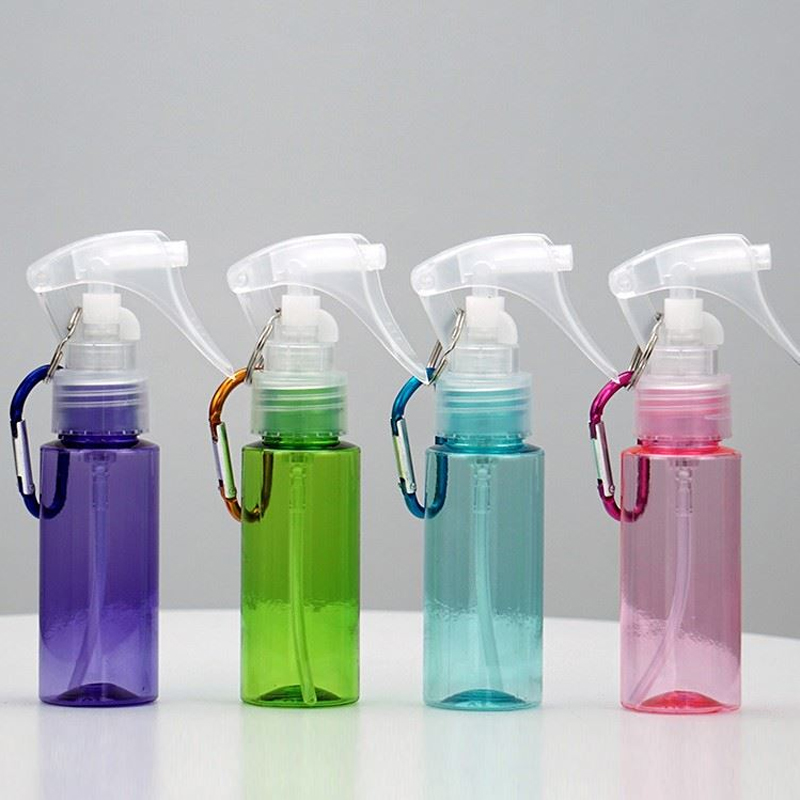
In recent years, China’s cosmetic packaging industry has witnessed significant growth, driven by burgeoning consumer demand for innovative and high-quality beauty products. Among the various packaging solutions, cosmetic airless jars and cream jars have emerged as pivotal components that not only enhance product aesthetics but also ensure product integrity and usability. This article delves into the current price trends of cosmetic airless jars and cream jars in China, analyzing the factors influencing their costs, and providing an overview of the manufacturers championing innovation in this space.
### The Growing Importance of Cosmetic Airless Jars and Cream Jars
Cosmetic airless jars are renowned for their ability to preserve formulations by preventing exposure to air, thus extending product shelf life and maintaining efficacy. Cream jars, a longstanding staple in cosmetic packaging, continue to be favored for their simplicity, ease of use, and cost-effectiveness. Both packaging types serve different needs in the beauty industry, catering to diverse product formulations such as creams, gels, serums, and lotions.
With the rapid expansion of China’s skincare and cosmetic market—driven largely by rising disposable incomes, increased beauty consciousness, and a surge in e-commerce platforms—the demand for quality packaging solutions has soared. Consequently, manufacturers are focusing on enhancing design innovation, material quality, and production efficiency, all of which influence pricing dynamics.
### Price Trends of Cosmetic Airless Jars and Cream Jars in China
According to recent market analyses, the price range for cosmetic airless jars typically falls between 8 to 20 RMB per unit, depending on size, material, and additional features such as pump mechanisms and anti-contamination designs. High-end models incorporating advanced materials like ultraviolet (UV) protection or double-wall construction command premium pricing, reflecting their added functionality and appeal to luxury cosmetic brands.
In contrast, cream jars exhibit a wider price range, generally from as low as 1 RMB to approximately 10 RMB per unit. Basic plastic cream jars with simple screw caps are among the most cost-effective options, popular with domestic manufacturers aiming at mid-to-low tier market segments. Meanwhile, cream jars with acrylic compositions, frosted finishes, or metallic accents cater to higher-end products and come with correspondingly elevated prices.
Daily fluctuations in raw material costs, particularly plastics such as polypropylene (PP), acrylonitrile butadiene styrene (ABS), and acrylics, directly affect the final pricing. Additionally, environmental regulations are encouraging companies to adopt sustainable materials and eco-friendly manufacturing processes, which also impact cost structures.
### Factors Influencing Pricing in Cosmetic Packaging
Several core factors contribute to the pricing variations observed in China’s cosmetic airless jars and cream jars:
- **Material Quality:** The use of premium, durable, and non-reactive materials ensures safety and product longevity but entails higher raw material costs.
- **Design Complexity:** Intricate designs, multi-component assembly, and enhanced user experience features raise manufacturing complexity and price.
- **Production Scale:** Large-scale manufacturing benefits from economies of scale, enabling competitive pricing, while small batch or custom orders generally cost more.
- **Technological Innovation:** Incorporating smart features, such as tamper-proof seals or customizable dispensing mechanisms, adds to production cost.
- **Sustainability Efforts:** Packaging made from biodegradable or recycled materials is increasingly prioritized but often comes at a higher price point.
- **Market Positioning:** Brands aiming for premium market positioning invest more in packaging aesthetics and functionality, influencing their choice of jars and budgets.
### Leading Manufacturers and Their Market Position
Several Chinese companies have established themselves as leaders in the manufacture and supply of cosmetic airless jars and cream jars. These companies combine advanced R&D capabilities, stringent quality control, and sustainable manufacturing practices to meet both domestic and international demand.
Notably, manufacturers have diversified their product offerings to include customizable solutions catering to different market segments—from economy to luxury. These companies capitalize on streamlined supply chains and robust production capacities to offer competitive pricing without compromising on quality.
Moreover, many leading firms emphasize innovation by integrating modern technology such as injection molding advancements, automated assembly lines, and smart packaging designs that enhance functionality and brand differentiation. Their commitment to environmental responsibility also translates into developing recyclable and biodegradable packaging alternatives, aligning with global trends and consumer expectations.
### Outlook for the Future
The outlook for China’s cosmetic airless jar and cream jar market remains optimistic. Industry analysts forecast continued growth driven by expanding skincare trends, rising demand for personalized beauty products, and increasing awareness about product safety and sustainability. Innovations such as airless jars with enhanced airtight technology and eco-friendly cream jar alternatives are anticipated to gain traction.
Additionally, the proliferation of online beauty retail platforms and social media marketing empowers smaller cosmetic brands to invest in high-quality packaging, spurring further demand. For manufacturers, embracing digitalization, improving supply chain transparency, and adhering to global quality standards will be critical drivers for sustained success and price competitiveness.
---
In conclusion, the pricing of cosmetic airless jars and cream jars in China is shaped by a complex interplay of material costs, design intricacies, manufacturing scale, and evolving consumer expectations. With the cosmetic market continuing its robust expansion, packaging manufacturers are well-positioned to innovate and lead the industry, delivering products that meet the needs of diverse beauty brands at various price points. As sustainability and technology trends shape the future, price structures may adjust to reflect new materials and features, but the fundamental demand for functional and aesthetically pleasing cosmetic jars remains strong and growing.